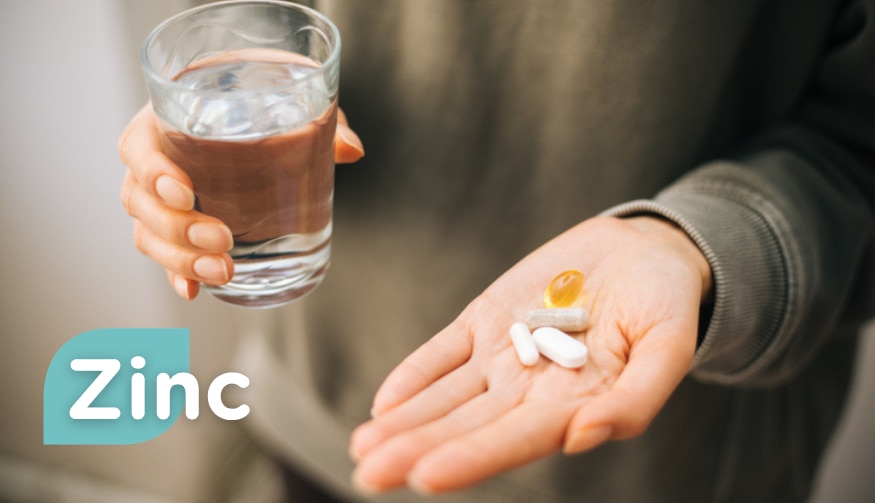
Zinc is a powerful essential mineral that plays a key role in maintaining good health. It is best known for strengthening the immune system and supporting healthy metabolism, but it also contributes to faster wound healing, proper cell growth, and hormone balance. While zinc supplements can offer real benefits when used correctly, excessive intake may cause several side effects. Understanding the right dosage and potential risks is essential for safe and effective use.
Health benefits of Zinc
Zinc is an essential mineral that plays many important roles in human health. It supports immune function, cell growth, and the metabolism. Here are some of the key benefits of zinc:
- Supports immunity
- Accelerates wound healing
- Regulates blood sugar levels
- Helps treat acne
- May improve heart health
- Slows macular degeneration
RELATED BLOG

9 Supplements for Glowing Skin: Anti-aging, Acne & Brightening
Skin Care / 80 days ago 119362Foods that are high in Zinc
The mineral must be consumed through the diet or supplements as the body does not naturally produce it on its own. Dietary sources include:
- Red meat
- Shellfish
- Eggs
- Legumes e.g. chickpeas, lentils, and beans
- Nuts & seeds
- Whole grains

While getting enough the essential mineral from a healthy diet is ideal, supplementation may provide additional support in some cases. Supplementing may also be beneficial for those below the recommended daily amount such as vegetarians/vegans or people with absorption issues.
Potential side effects of overdosage
While zinc is generally well-tolerated, consuming excess amounts above the upper limit intake can potentially cause side effects in some individuals. The recommended daily amount is 15-30mg of adults. To reduce your risk of side effects, stick to the recommended dosage and avoid exceeding the tolerable upper limit of 40 mg per day.

Taking more than this on a regular basis risks negative side effects like:
- Nausea and vomiting
- Reduced copper levels
- Stomach pain & diarrhea
- Flu-like symptoms e.g. headache, fatigue
- Reduced good cholesterol
Getting enough zinc from diet and targeted supplemental intake helps support body health. However, high amounts beyond daily requirements could potentially interfere with other micronutrient use and overall well-being. Monitoring intake and consuming a balanced diet limits risks of overdoing zinc amounts.
RELATED BLOG